Project Search
No Results Found
Search Results - Blog
Search Results - FAQs
No Results Found
No Result Found
The Journal - 2nd April 2026
How Investors Can Evaluate Resale Strength in Dubai Communities
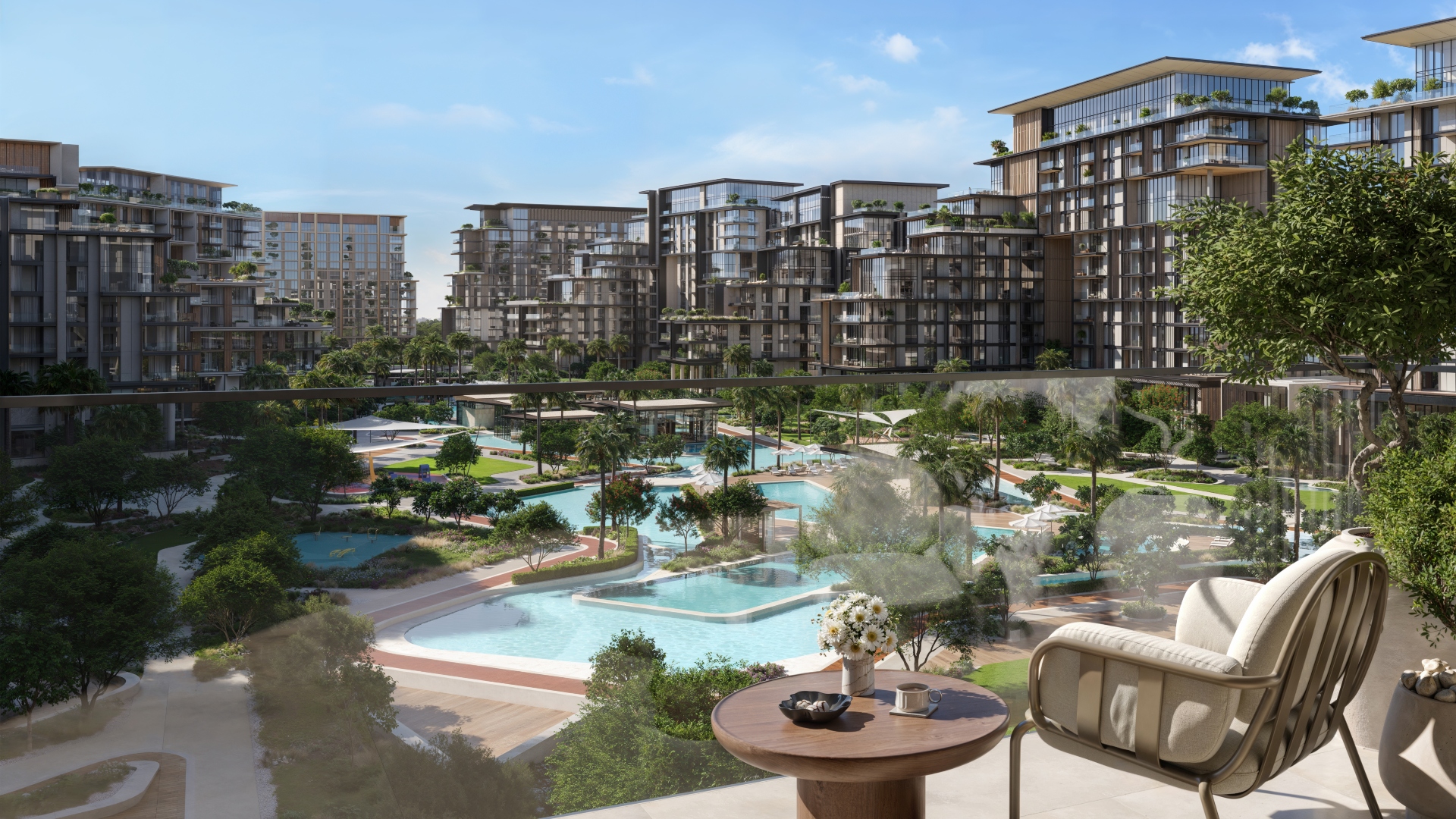
In Dubai, resale performance is one of the clearest tests of whether a community has moved beyond launch momentum and into sustained, defensible demand durable demand. For investors, strong resale properties in Dubai are about whether they can be sold with reasonable liquidity, limited discounting, and credible capital appreciation over time.
What Resale Strength Means
Resale strength refers to a community’s ability to support sustained buyer demand after initial sales have passed. In practical terms, this is reflected in tighter bid-ask spreads, shorter transaction times, lower reliance on price cuts, and repeatable evidence of capital appreciation across multiple phases of the market cycle. It is a sign that demand is being generated by real location quality, liveability, planning discipline, and buyer confidence rather than launching incentives alone.
Dubai Land Department’s annual report frames this broader market backdrop as one of expanding investor participation, rising global appeal, and a progressively institutionalized property market, all of which support a more active and transparent secondary market.
The Community-Level Signals That Support Resale Performance
At the community level, resale resilience usually begins with the depth of end-user demand. Areas that combine strong daily usability with coherent master planning tend to retain broader buyer pools because they appeal not only to investors but also to families, professionals, and long-stay residents.
Resale liquidity is usually strongest where demand is diversified rather than dependent on a single buyer profile. DLD’s 2024 findings highlight sustained demand across premium suburban and waterfront locations, with villas in particular demonstrating robust price
appreciation over the past four years. This trend reflects a structural lifestyle realignment, rather than a transient market surge,
Operational Quality and Long-Term Liveability
Operational quality often carries more weight at resale tha headline branding. Communities that maintain landscaping, manage traffic flow effectively, preserve retail relevance, and sustain amenity standards tend to protect buyer confidence over time, because the lived experience remains clear and consistent post-handover rather than degrading as assets age.
Build Quality, Services, and Resale Defensibility
This is also why building classification and service quality are increasingly relevant in Dubai’s rental ecosystem, with the Smart Residential Rent Index assessing factors such as construction quality, architectural design, energy efficiency, services, and location. These same fundamentals increasingly shape buyer perceptions of resale defensibility, liquidity depth, and long-term value preservation. .
Supply Conditions and Competitive Pressure
No community can be assessed in isolation from incoming supply. Even strong locations can face resale pressure when a large volume of similar stock reaches the market at once, particularly if newer schemes offer more attractive payment terms or fresher specifications. Cavendish Maxwell estimates that around 40,400 residential units were completed in 2025, up 16.4% from 2024, even though delivery fell well below original projections. This gap between announced supply and realised handovers reinforces why resale conditions are ultimately shaped by effective absorption rather than headline pipeline volumes alone.
Market Metrics Investors Should Track
Price Growth and Transaction Depth
The first metric is price trajectory, but it should be read carefully. Rising Dubai property prices are useful only when they are supported by transaction depth. Property Monitor recorded 18,010 sales transactions in April 2025, a 55.1% year on year increase, suggesting that price growth was underpinned by broad-based market participation rather than thin or speculative liquidity.
Yield Quality and Leasing Support
The second metric is yield quality. Cavendish Maxwell reported gross rental yields of 7.0% for apartments and 4.8% for villas and townhouses as of 2025. Yield stability supports resale pricing by reinforcing holding economics, reducing forced selling risk, and signalling durable leasing demand beneath capital values.
Demand Strength Versus Incoming Supply
A third metric is the balance between demand and new stock. JLL reported that Dubai’s sales transaction volumes increased by 16.5% year on year to Q3 2025, while villa prices rose by around 15% annually across Dubai. That combination points to depth of buyer demand, particularly within lower-substitutability formats such as villas and well-planned family communities.
At the same time, rental growth had moderated to 6.2% for apartments and 2.9% for villas by September 2025, underscoring the need for investors to separate near-term income growth from long-term resale pricing strength.
How To Assess Resale Strength Before Buying
Before buying, investors should look for proven secondary-market performance rather than relying on launch positioning. That means reviewing achieved sale prices over time, comparing recent resales with earlier phases, and checking whether units are reselling at a premium, at parity, or with discounts.
Investors should also assess future competition. If similar stock is due to launch or complete nearby in large volumes, resale pressure may increase. Communities with stronger planning discipline, better amenities, and limited direct substitutes are usually better placed to protect long-term capital appreciation in Dubai.
Why Resale Strength Matters for Long-Term Value
Strong resale performance is usually the result of several disciplines working together: genuine end-user demand, measured supply, credible operations, and a product that remains competitive after handover. For investors assessing resale property in Dubai, the most reliable communities are rarely those with the loudest launch story, but those with the clearest evidence of lasting demand, pricing resilience, and repeat market confidence. Discover investment opportunities with Meraas.
FAQs
1.What makes a Dubai community strong in the resale market?
A strong resale market is usually supported by diversified buyer demand, proven transaction activity, controlled future supply, and consistent place quality.
2.Is resale strength more important than rental yield?
Neither should be read alone. Rental yield measures income efficiency, while resale strength measures exit quality and pricing resilience.
3.How can investors compare resale potential across communities?
The most useful comparison set includes achieved sale-price trends, transaction depth, handover pipeline, rental support, and the degree of direct future competition nearby.
Other Media
Explore more articles from Meraas